
If you've ever had a pain that starts in your lower back or buttock and runs down the back of your leg, you know it's not like ordinary back stiffness. It can burn, ache, tingle or feel electric, and it can make sitting, driving or getting a good night's sleep surprisingly hard. People usually call it sciatica.
Here's what it is, three gentle things you can try at home, and when it's time to get it looked at.
What is sciatica?
The sciatic nerve is the longest nerve in the body. It runs from your lower back, through your buttock and down the back of each leg. "Sciatica" isn't a diagnosis on its own. It describes symptoms that follow that path, usually on one side. It can come from a lot of things: an irritated disc, tight or overworked muscles around the hip and buttock, joint stiffness in the lower back or pelvis, or simply long hours in one position. Pregnancy can bring it on too.
Because the cause varies from person to person, so does what helps. That's why we start with questions, not a one-size-fits-all routine.
1. Keep moving, gently
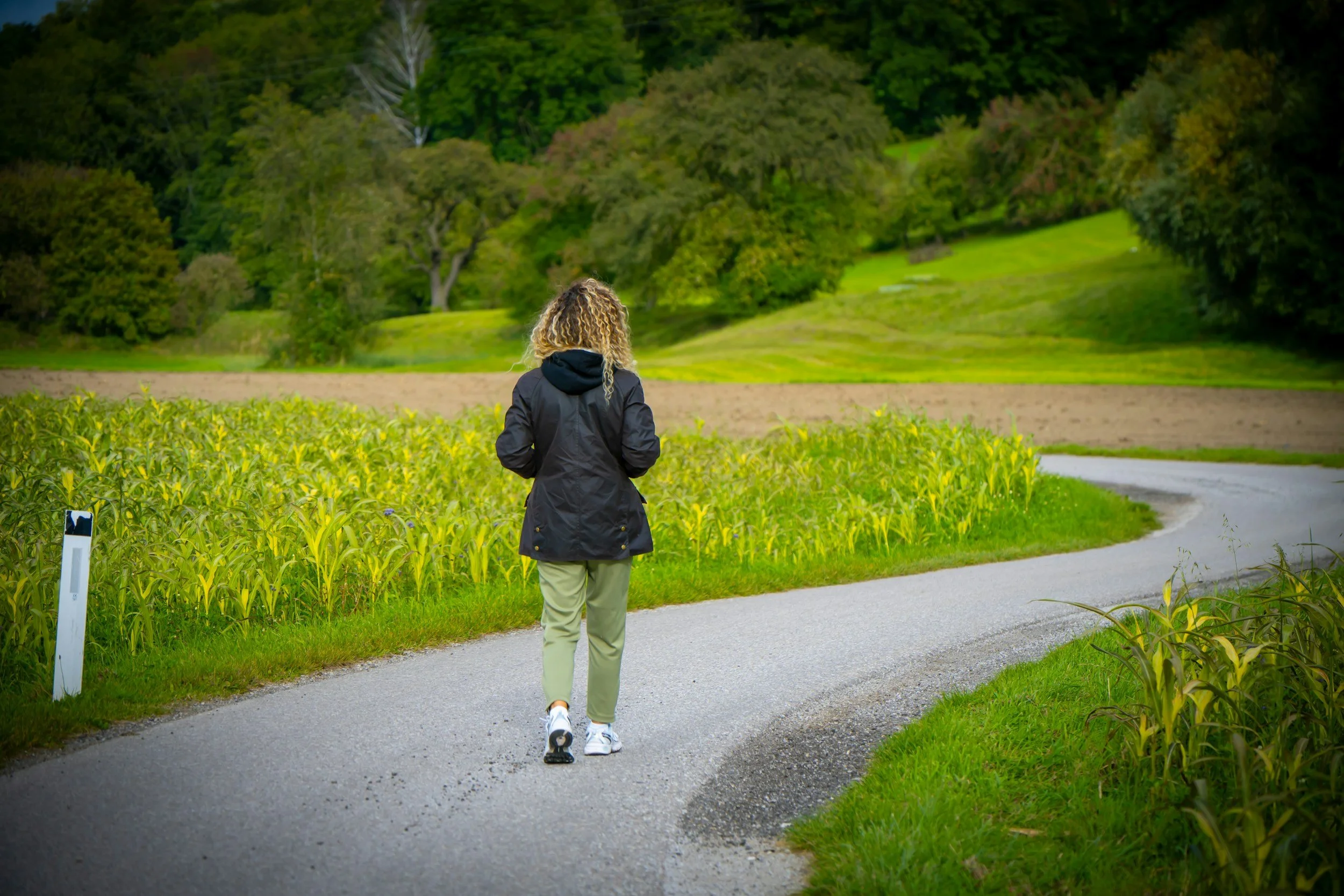
It's tempting to lie down and wait it out, but for most people, gentle movement through the day tends to feel better than long stretches of rest. Short, easy walks around the house or down the street are a good place to start. Go at a pace that feels okay, and stop if the pain clearly gets worse.
2. Change position often
Sitting for a long time is one of the most common things that aggravates sciatica. Set a reminder to get up every 30 minutes or so, even for a minute. When you do sit, sit back in the chair with your feet flat on the floor, and try a small rolled towel behind your lower back. In the car, pull over on longer drives and walk for a couple of minutes.
3. Try heat, and find a comfortable sleeping position
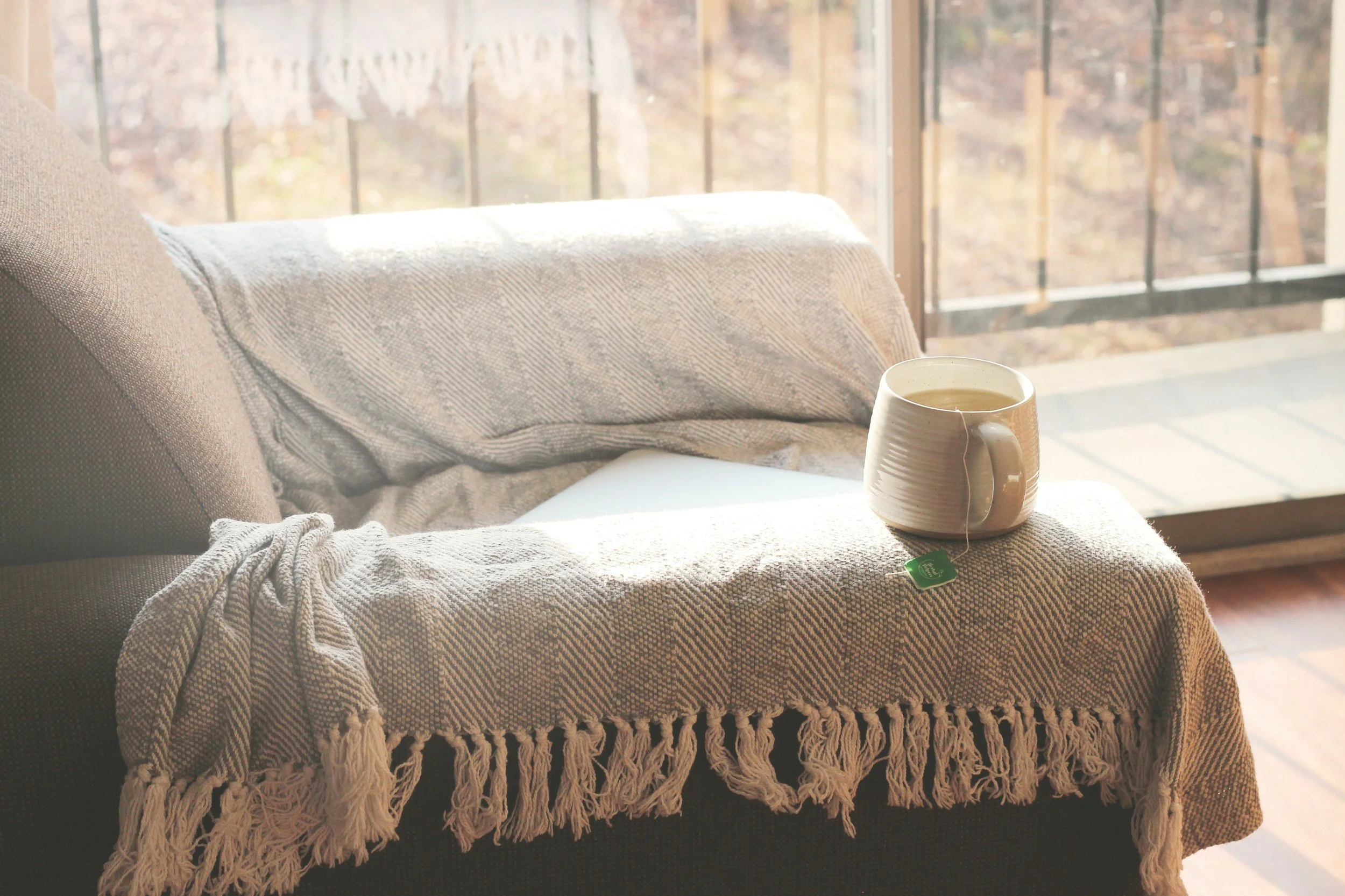
Many people find a warm pack or a warm shower on the lower back and buttock helps the area relax. Keep it warm, not hot, and limit it to about 15 to 20 minutes at a time. At night, try lying on your side with a pillow between your knees, or on your back with a pillow under your knees. Both take some pressure off the lower back.
None of these are a cure, and they won't suit everyone. If something makes your pain worse, stop doing it.
When to book
It may be worth booking a visit if:
the pain has lasted more than a week or two, or keeps coming back
it's getting in the way of sleep, work or looking after your family
you're not sure what's causing it or which movements are safe for you
you're pregnant and dealing with hip, buttock or leg pain
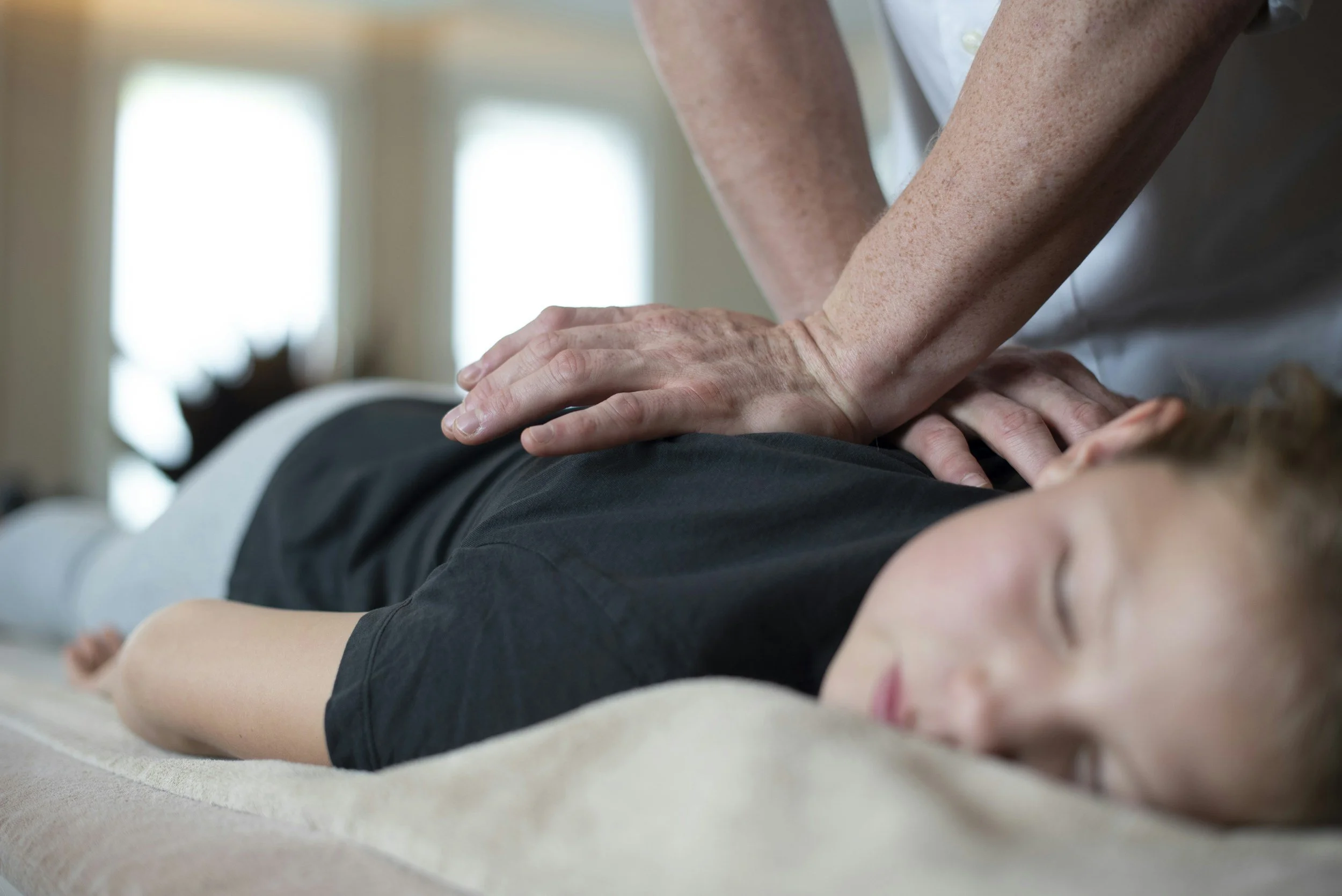
At your first visit, an Osteopathic Manual Practitioner will ask about your history and what makes the pain better or worse, then look at how your whole body moves, not just the sore spot. Treatment is hands-on and gentle, and you're in charge the whole time. You'll leave knowing what we found and what you can do at home. You can read more about us at sposteo.ca.
When to get help right away
Go to the emergency department or call 911 if you have leg pain along with numbness around your groin or inner thighs, new trouble controlling your bladder or bowels, or weakness in your leg that's quickly getting worse. These are rare, but they need urgent medical care.
Steady Point Osteopathics & Wellness is in Dunnville, and we see people from Wainfleet, Cayuga, Lowbanks, Smithville and the surrounding area. We don't bill insurance directly, but we'll give you a receipt to submit to your benefits plan.
Find your steady point.